Need Help?
Have an emergency? We offer emergency call out & repair

Have an emergency? We offer emergency call out & repair
Warehouse roof repairs are rarely something a business wants to deal with, but leaving a problem to worsen can quickly turn a manageable repair into disruption, damaged stock and a much larger bill. For commercial and industrial properties, the roof is part of the working infrastructure. It protects people, machinery, materials, racking, vehicles and the day-to-day operation beneath it.
At Juniper Roofing Southern, we work with roofing systems across commercial sites, retail units, industrial buildings and warehouses, helping identify the cause of a problem before recommending the most practical way forward.
Warehouse roof repairs can involve anything from fixing leaks and damaged sheets to improving drainage, replacing failed flashings or assessing whether a larger roof replacement is needed. The right approach depends on the age of the roof, the materials used, the extent of the damage and how the building is used. A proper inspection helps avoid repeat problems and keeps disruption to the business as low as possible.
A warehouse roof is not quite the same as a domestic roof. The scale is bigger, the risks are different and the building often needs to stay operational while work is planned or carried out.
Industrial and commercial roofing can include metal roofing, flat roof systems, rooflights, gutters, valleys, flashings and ventilation details. On older buildings, there may also be areas where previous repairs have been added over time, which can make the real source of a leak harder to trace.
That is why experienced industrial roofing contractors will usually look beyond the obvious damp patch. Water can travel along beams, insulation, internal linings or sheet laps before it shows itself inside. The visible leak is not always directly below the actual roof defect.
Common warehouse roofing issues include:
The repair process should start with a proper inspection. Guesswork is rarely cost effective on commercial buildings, especially where access, safety and business disruption all need to be considered.
A typical process may include:
For some sites, emergency roofing repairs may be needed first to stop water coming in and protect the building. After that, a more permanent repair can be planned properly.
Metal roofing is widely used on warehouses, factories and industrial units because it is strong, practical and suitable for large roof areas. However, like any roofing system, it still needs maintenance and occasional repairs.
Loose fixings, split seals, damaged sheets and corrosion can all lead to water getting in. Sometimes the repair is relatively contained, such as replacing fixings or repairing a damaged area. In other cases, the roof may need more extensive work if the sheets are ageing, badly corroded or repeatedly failing.
A small leak in a warehouse can become expensive quickly. Water can affect stock, electrics, insulation, suspended ceilings, machinery and flooring. It can also create slip risks or force staff to work around buckets, damp areas or temporary barriers.
Early repair is usually far more cost effective than waiting for the roof to deteriorate further.
Not every commercial roof problem means the whole roof needs replacing. Equally, not every leak should be patched and forgotten. The right answer depends on condition, age, access and the long-term use of the building.
| Option | Best Suited For | What To Consider |
| Local roof repair | Isolated damage, small leaks, storm damage or failed details | Works well when the surrounding roof is still sound |
| Larger planned repair | Repeated leaks, several weak points or ageing areas | Can extend roof life without full replacement |
| Roof replacement | Widespread failure, severe corrosion or end-of-life roofing systems | Higher upfront cost, but may be the best long-term option |
| Emergency repair | Active leaks, storm damage or urgent water ingress | Usually a temporary first step before permanent work |
For commercial roofing contractors, the aim should be to recommend the level of work that matches the condition of the roof. A quick patch might be useful in an emergency, but it should not be sold as a long-term answer if the roof is clearly failing across several areas.
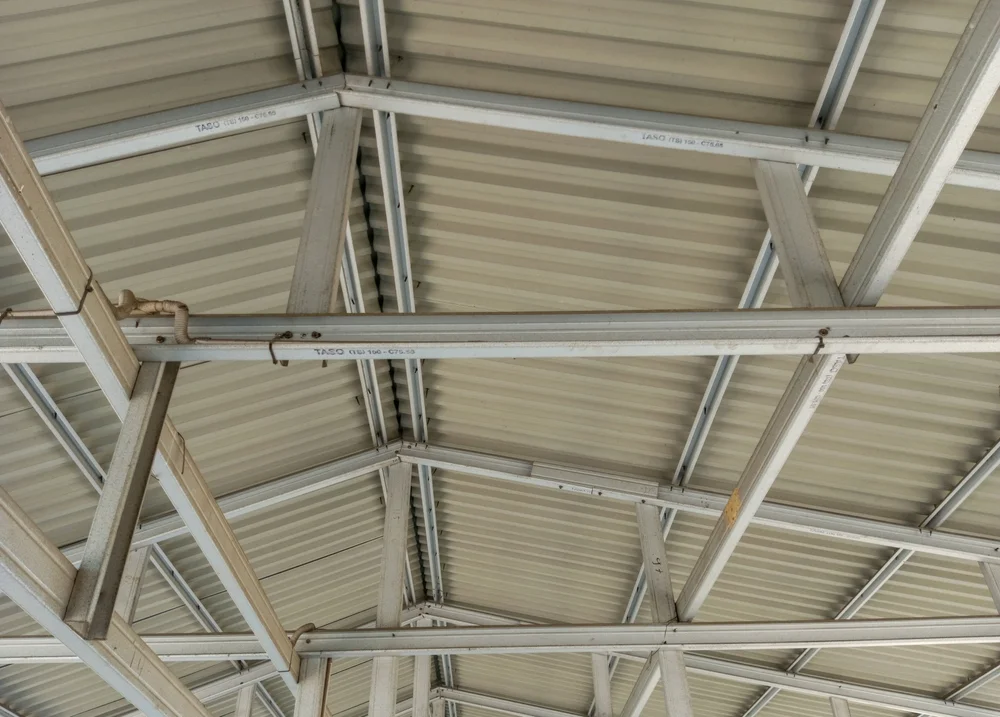
Warehouses are only one part of commercial roofing. Similar repair principles apply across industrial buildings, retail units, workshops, storage facilities and other commercial and industrial properties.
Different buildings use different roofing systems, including sheeted metal roofing, flat roofing, single ply, felt, corrugated roofing sheets and box profile sheets. Each system has its own common failure points and repair methods.
This is why it helps to use industrial roofing contractors who understand how large commercial roofs are built, how they fail and how repairs can be carried out safely. Access equipment, working hours, weather conditions and site operations all need to be taken into account.
For more on related services, you can also read our guide to [commercial roofing services] or our post on [steel roof installation].
For many businesses, the worry isn’t just “what will this cost me upfront” but also “how will this disrupt my business operations?” A warehouse may have deliveries, staff, storage areas, forklifts, customers or tenants to consider.
A good repair plan should consider:
This is where a site visit makes a real difference. Photographs can help, but they rarely tell the full story. A proper inspection gives a clearer view of what is happening and what needs to be done next.
If your warehouse roof is leaking, damaged or starting to show signs of wear, it is worth getting it checked before the problem becomes more disruptive. Warehouse roof repairs can often be handled in a targeted, practical way, provided the issue is inspected properly and dealt with early enough.
Juniper Roofing Southern works across roofing systems for domestic, commercial and industrial buildings, including metal roofing, flat roofing and roof replacement where required. Whether you manage a warehouse, retail unit or larger commercial site, we can assess the problem and explain the options clearly.
Contact Juniper Roofing Southern for a no obligation quote and practical advice on the best next step for your roof.
If you liked this, you may also like: Your Roof: Explained by Roofers In Sussex
Common signs include leaks, damp patches, damaged roof sheets, overflowing gutters, loose fixings or visible corrosion. It is worth arranging an inspection if the same issue keeps returning after heavy rain.
Yes, if the damage is localised and the rest of the roof is still in reasonable condition. A proper inspection will help decide whether a targeted repair, larger planned repair or full replacement is the better option.
Leaks are often caused by failed fixings, damaged sheets, poor flashing, blocked gutters, cracked rooflights or ageing sealants. On large commercial roofs, water can travel before it appears inside, so the visible leak is not always directly under the fault.
Metal roofing can often be repaired effectively, especially when the issue is with fixings, sheet laps, isolated damage or seals. If the roof is badly corroded or failing across several areas, replacement may be more sensible long term.
A small leak should still be treated seriously because it can affect stock, electrics, insulation, flooring and day-to-day operations. Early repairs are usually more cost effective than waiting for wider damage.
They can, but good planning helps reduce disruption. Access, safety, weather, stock protection and working hours should all be considered before the repair work starts.
Yes, emergency repairs can usually be carried out to reduce immediate water ingress or secure storm damage. These may be temporary at first, with a permanent repair planned once the roof has been properly assessed.
Many commercial roofs benefit from at least one inspection a year, plus extra checks after storms or prolonged heavy rain. Regular inspections help spot blocked gutters, loose fixings and early signs of wear before they become expensive.
This depends on the lease agreement. In many commercial properties, responsibility can sit with the landlord, tenant or managing agent depending on the type of repair and the terms agreed.
For most warehouse and industrial roof repairs, it is best to use contractors with experience in larger commercial roofing systems. The work often involves safe access, larger roof areas and materials that need the right repair method.


Registered address: 31 Willingdon Road, Eastbourne, East Sussex BN21 1TN. Company Registration Number: 15706433.
VAT Registration number: 502034161