Need Help?
Have an emergency? We offer emergency call out & repair

Have an emergency? We offer emergency call out & repair
Fixing a flat roof properly starts with understanding why the problem has happened, not just where the leak has appeared inside the building. A flat roof can fail because of ageing roofing materials, poor drainage, failed detailing or hidden water damage within the roofing structure.
At Juniper Roofing Southern, we work on flat roof systems across homes, commercial properties and larger buildings. Sometimes a focused flat roof repair is enough. Sometimes the safer long term choice is to reroof.
Fixing a flat roof can involve a small repair, a larger section repair or a full flat roof replacement, depending on the age, condition and structure of the roof. The key is to inspect the full roof, not only the visible leak. If the membrane, decking or insulation has been affected by water damage, a reroof may provide better value than repeated repairs.
The term “flat roof” can be slightly misleading, because a good flat roof should still have a gentle fall that helps water move towards the outlets. When that fall is poor, blocked or disrupted, water can sit on the surface for too long. Over time, standing water increases pressure on joints, laps, edges and weak points.
Common causes of flat roof problems include:
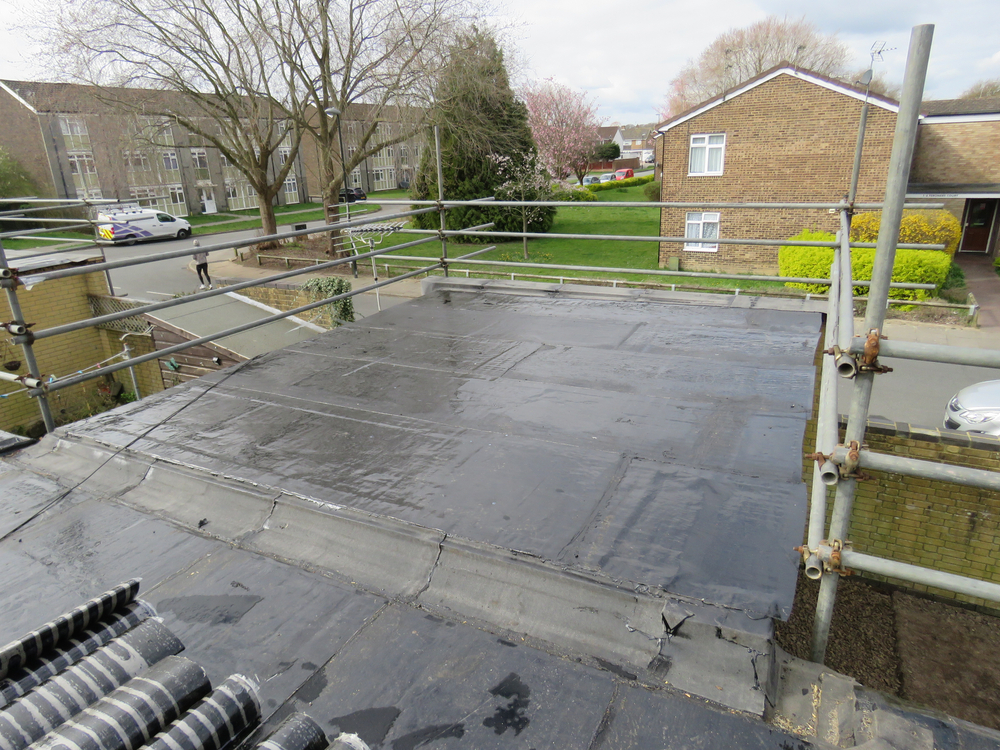
Before we recommend fixing a flat roof with a repair, we need to understand the wider condition of the roof. A leak inside one room does not always mean the problem is directly above that exact point. Water can travel along joists, decking, insulation and internal surfaces before it becomes visible.
Our roof professionals assess the visible covering, drainage, joints, edges, flashings, penetrations and any signs of movement or soft areas.
Water damage is one of the biggest factors when deciding between repair and replacement. If moisture has reached the deck, insulation or supporting structure, patching the surface may only delay the next failure. In those cases, a flat roof replacement can be the more reliable option.
The decision to repair or reroof should be based on condition, age, material, structure and how the building is used.
| Roof condition | Likely solution | Why it matters |
| Small isolated split | Local flat roof repair | The rest of the system may still be sound |
| Failed edge or outlet | Targeted repair | Stops water getting behind the covering |
| Multiple leaks | Larger repair or reroof | Several failures often show wider decline |
| Soft decking or trapped moisture | Flat roof replacement | The structure may already be compromised |
| Old covering near the end of its life | Reroof | Repeated repairs may become poor value |
A reroof can feel like a bigger step, but it can also remove uncertainty. Instead of repeatedly chasing leaks, the building owner gets a new system, properly detailed, with clearer expectations around performance.
Different roofing materials behave differently, so repairs need to be matched to the existing system. Using the wrong material over the wrong surface can cause adhesion issues, movement problems or early failure.
The most common flat roof systems we deal with include:
This is where experienced roofing contractors make a difference. A neat-looking patch is not always a proper repair, especially if the underlying issue has not been dealt with.
Flat roofs rely heavily on detail. Corners, trims, outlets, abutments, skylights and pipe penetrations are all potential weak points if they are not formed properly.
When we inspect and repair flat roofs, we focus on finding the cause, checking whether the roofing structure has been affected, using suitable repair methods and giving honest advice on whether replacement is the better route. That gives customers more peace of mind.
Fixing a flat roof should always come down to the roof in front of you. If the system is generally sound, a well-carried-out flat roof repair can extend its life and stop a small issue becoming a costly one. If the roof has widespread defects, hidden water damage or failing materials, a reroof may be the more sensible investment.
At Juniper Roofing Southern, we help customers understand the difference before any work begins. Whether the answer is repair, replacement or further investigation, our aim is to protect the building, reduce future disruption and leave you with a roof you can rely on.
If you liked this, you may also like: Flat Roof vs Pitched Roof: Choosing the Right Roofing System for 2026
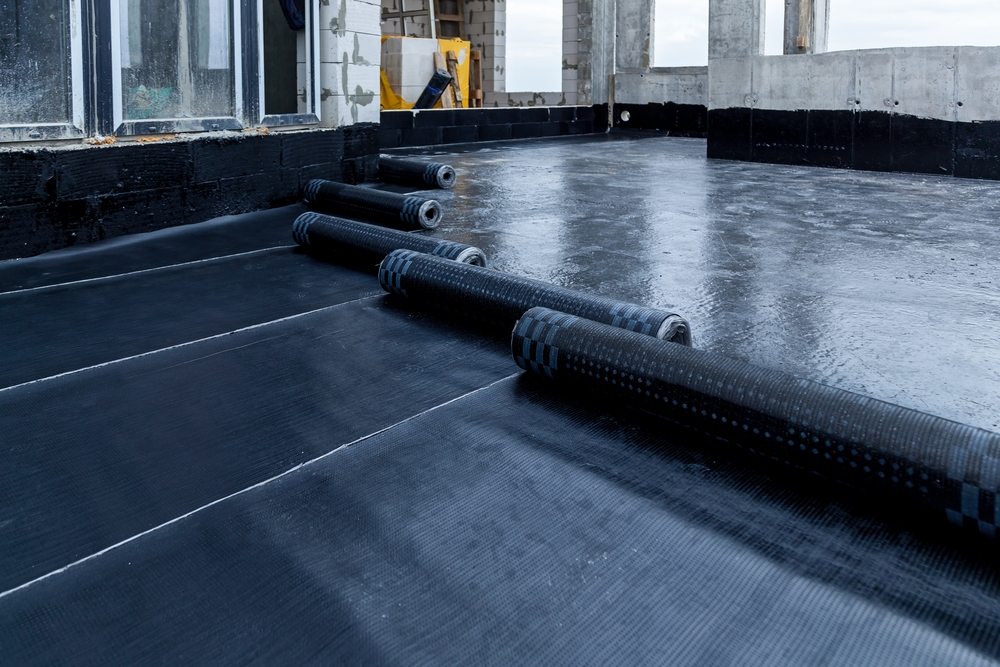
Fixing a flat roof may be enough if the damage is localised, the surface is still in good condition and there are no signs of trapped moisture underneath. If there are several weak areas, soft decking, repeated leaks or visible sagging, a larger repair or reroof may be more suitable.
A good flat roof repair can last for years if the rest of the roof is still sound and the correct materials are used. The lifespan depends on the age of the roof, the repair method, drainage and whether the original cause of the problem has been fixed properly.
Some emergency work can be carried out in poor weather to reduce water entry, but many permanent flat roof repair systems need dry conditions to bond and cure correctly. A temporary repair may be used first, followed by a proper repair once the roof surface is dry.
A repair is usually cheaper upfront, especially if the issue is small and isolated. A reroof can be of better value when the roof is old, leaking in several areas or showing signs of structural water damage, because repeated repairs can become more expensive over time.
Common signs include repeated leaks, ponding water, cracked or blistered roofing materials, soft areas underfoot, damaged edges and damp patches that keep returning. If the roof covering is near the end of its service life, replacement may give better long term protection.
Yes, water can travel beneath the roof covering and affect insulation, timber decking, joists and internal ceilings. This is why the visible leak inside the property is not always directly below the source of the roof problem.
The best roofing material depends on the building, roof size, access, budget, insulation needs and expected lifespan. Felt, single ply, liquid systems and GRP can all work well when specified and installed correctly by experienced roofing contractors.
Small temporary measures may reduce immediate water entry, but flat roof repairs can fail quickly if the wrong material is used or the surface is not prepared properly. For a lasting result, it is usually safer to use roof professionals who can assess the full system and not just the visible split.
Repeated leaks often mean the original cause has not been properly identified. Poor drainage, hidden water damage, failed upstands, ageing materials or movement in the roofing structure can all make a simple patch repair unreliable.
A flat roof should usually be checked at least once a year, and after severe storms or heavy rainfall. Regular inspections help spot blocked outlets, damaged trims, surface cracks and early water damage before they turn into more expensive repairs.


Registered address: 31 Willingdon Road, Eastbourne, East Sussex BN21 1TN. Company Registration Number: 15706433.
VAT Registration number: 502034161