Need Help?
Have an emergency? We offer emergency call out & repair

Have an emergency? We offer emergency call out & repair
Choosing a roof is not just a design decision; it affects performance, cost, and long-term usability. When comparing a flat roof vs pitched roof, it is important to consider your property type, budget, and intended use. At Juniper Roofing Southern, we combine our trade experience with practical advice to help homeowners and businesses select the roofing system that works best for them.
Flat roofs offer modern aesthetics, extra usable space, and cost-effective installation. Pitched roofs excel in water drainage, longevity, and traditional appeal. The right roofing system depends on property type, maintenance expectations, and intended functionality, and our guidance helps you make the most informed choice.
Flat roofs are ‘low-pitch’ or ‘near-level’ structures commonly used on commercial buildings and contemporary homes, rather than being ‘totally flat’. They are ideal when you want to maximise roof space for terraces, green roofs, or solar panels. Flat roofs are also quicker to install, making them cost-effective upfront, although lifespan depends on materials and maintenance.
A properly installed flat roof can last 20 to 30 years. We advise routine inspections to prevent issues like water ponding or membrane damage, which can affect performance over time.
Flat roofs are often the best choice when:
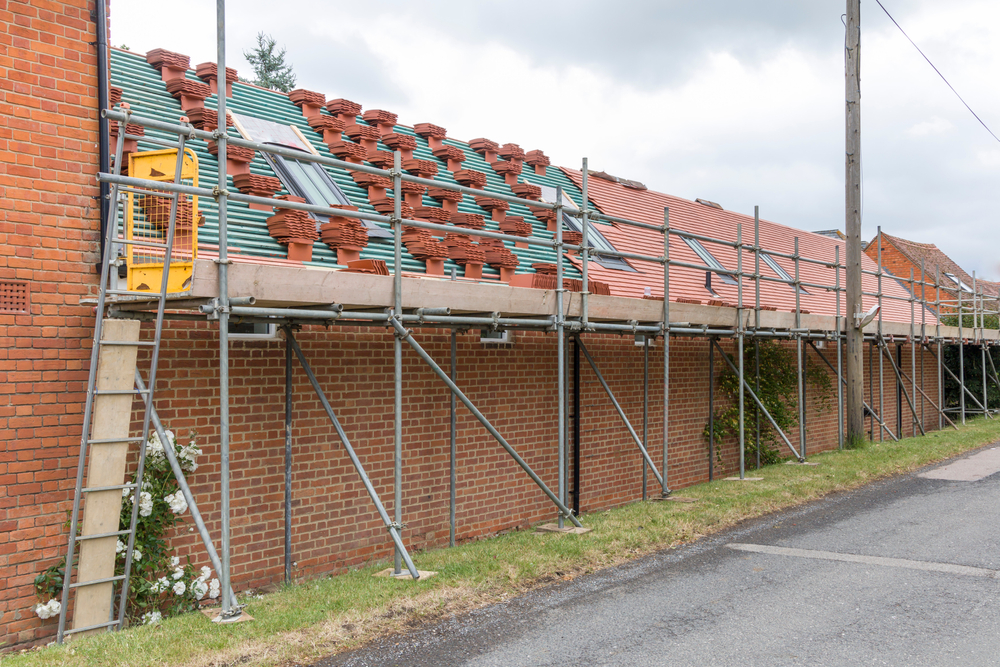
Pitched roofs feature a sloped design that naturally directs water away from the structure. They are the most common system on traditional homes and can use a range of materials, including tiles, slates, and metal sheets. The angled structure reduces water-related problems and typically increases lifespan – though this will still vary based on material used.
| Feature | Flat Roof | Pitched Roof |
| Lifespan | 20–30 years | 50+ years |
| Installation Costs | Cost-effective | Higher |
| Water Drainage | Needs planning | Excellent |
| Usable Space | Maximised outdoor usage | Limited unless converted |
| Aesthetic | Modern | Traditional or versatile |
| Solar Panels | Easily accommodated | Possible but may need further planning |
When guiding our customers, we focus on three key factors: property type, priorities, and budget.
Checklist to consider before deciding:
At Juniper Roofing Southern, we see flat and pitched roofs as solutions tailored to the property and the client’s priorities; and we are specialists in the maintenance and installation of both styles. Flat roofs work well for modern buildings, maximising usable space and supporting solar panels or roof-top terraces. Pitched roofs are the choice for longevity, excellent water drainage, and traditional appeal. Our approach ensures that every installation balances performance, aesthetic, and cost, giving our clients confidence in a roof that works for years to come.
If you liked this, you may also like: Solar Panels: Are Solar Panels Worth It?
And, if you want roofing services from local roofers who explain the why, not just the what, learn more about Juniper Roofing Southern and how we work.
Visit our About Us page, or call us on 01323 810 555.
What is a flat roof and how does it differ from a pitched roof?
A flat roof is nearly level and often used on modern homes or commercial buildings. A pitched roof slopes and is common on traditional properties, offering better water drainage and longer lifespan.
How long can a flat roof last?
With proper installation and maintenance, a flat roof typically lasts 20 to 30 years. Lifespan depends on materials and upkeep.
What are the main advantages of a flat roof?
Flat roofs provide a modern look, extra usable space for terraces or solar panels, and lower installation costs compared with pitched roofs.
What are the main advantages of a pitched roof?
Pitched roofs are durable, allow excellent water drainage, offer longer lifespan, and suit traditional architectural styles.
Can I use a flat roof for solar panels?
Yes. Flat roofs are ideal for solar panels because they offer unobstructed space and flexible positioning. Pitched roofs can also support panels but may need additional planning.
Which type of roof is more cost-effective to install?
Flat roofs usually have lower installation costs and faster construction times. Pitched roofs typically cost more upfront but may be more durable over the long term.
Does a flat roof provide extra usable space?
Yes. Flat roofs allow space for roof terraces, green roofs, or equipment installations, unlike pitched roofs, which have limited usable space unless converted.
How does water drainage compare between flat and pitched roofs?
Pitched roofs naturally channel water away, reducing the risk of leaks. Flat roofs require careful planning and drainage systems to prevent water pooling.
What maintenance is required for flat and pitched roofs?
Flat roofs need regular inspections for ponding water or membrane damage. Pitched roofs require occasional checks for broken tiles, guttering issues, or leaks.What factors should I consider when choosing a roof type?
Consider property style, budget, usable space requirements, water drainage needs, and intended lifespan. Both flat and pitched roofs have pros and cons, so professional advice is recommended.


Registered address: 31 Willingdon Road, Eastbourne, East Sussex BN21 1TN. Company Registration Number: 15706433.
VAT Registration number: 502034161