Need Help?
Have an emergency? We offer emergency call out & repair

Have an emergency? We offer emergency call out & repair
Storm damage roof repair is the fastest way to stop a roof leak after storm weather before water spreads through insulation, electrics and the roof structure. For homes, it protects ceilings and belongings. For commercial sites, it protects stock, plant rooms and business continuity.
After heavy rain and high winds, the visible drip is rarely the only problem. The best approach is quick triage, evidence for insurance claims and a proper inspection that identifies the extent of the damage. Fixing damaged flashings, slipped coverings and drainage issues early is usually the most cost effective path to peace of mind.
Storms rarely “break” a roof in one dramatic moment. Most roofing damage is a chain reaction: wind lifts a weak edge, rain drives sideways into the opening, then water tracks to the first cold surface and shows up inside.
In the UK, weather-related damage is not rare. The Association of British Insurers reported a record £585 million paid out for weather-related damage to people’s homes and possessions in 2024, which shows how quickly storm events turn into real repair bills.
On a flat roof, wind can stress edges and corners, then heavy rain finds the weakest seam. On pitched roofs, wind can lift ridge lines or dislodge tiles, letting rain get under the roof covering.
Common signs we see after storms include:
If you can see daylight from the loft, or you have active roof leaking during rainfall, treat it as urgent.
You do not need to guess. Follow a simple sequence that protects the building and supports the repair.
Keep people away from dripping electrics, sagging ceilings and wet light fittings.
Take photos inside and outside from ground level. Capture time, date and weather conditions.
Use buckets, towels and temporary covers internally. Avoid climbing on the roof.
Ask for storm damage repair that focuses on stopping ingress first, then diagnosing the root cause.
Insurers often want evidence, timelines and repair notes. Keep receipts for emergency measures.
A good roofer will not default to replacement. They will assess whether roof repairs are likely to last or whether the existing roof has reached the point where repair costs keep repeating.
Here is a practical way to frame it:
The right choice depends on the extent of the damage and what the roof was like before the storm.
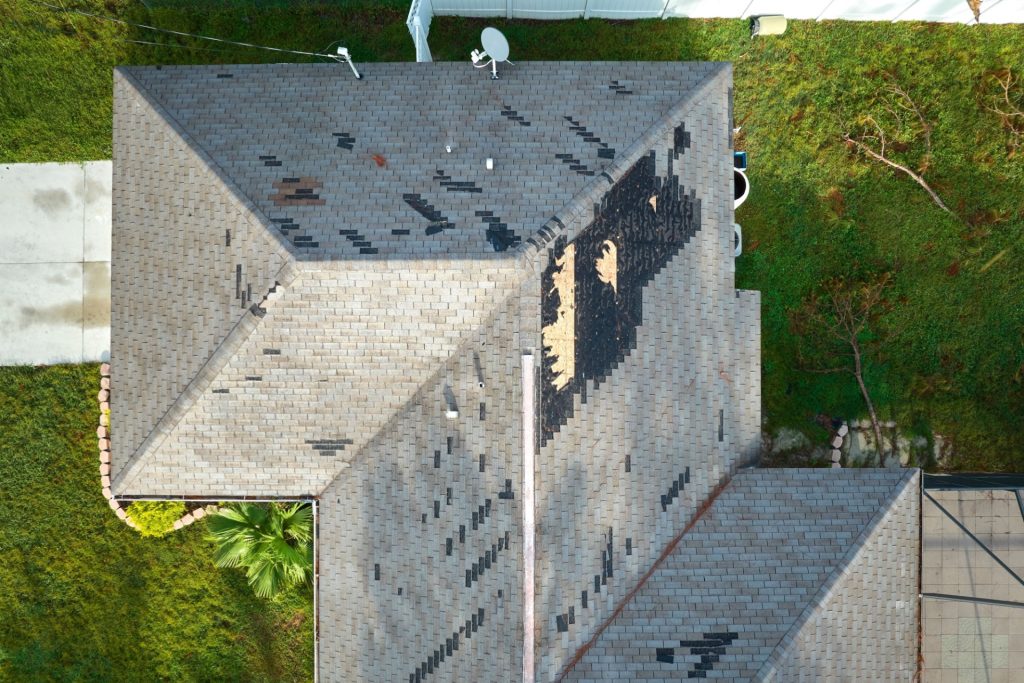
Storm damage roof repair should start with stopping the leak, but it must finish with a clear plan. Otherwise you get the classic cycle: a drip stops, the next storm reopens it somewhere else.
A drone roof survey can be useful for large roofs, fragile coverings or sites where access is restricted. It can quickly identify displaced materials, impacted areas and pooling zones. It is most effective when it leads to targeted hands-on checks of seams, edges and penetrations.
You cannot control the weather, but you can reduce the chance of damage and shorten response time.
Practical prevention tips for occupiers and site teams:
This is where planned maintenance saves money. Small defects fixed early stop larger restoration services later.
Juniper Roofing Southern provides roof repairs and maintenance for homes and businesses, from minor leaks to major storm damage, across the South of England. Our team brings 25+ years’ experience across domestic and commercial work, so we can usually identify the real failure point quickly and fix it properly.
We prioritise:
If you’ve had a roof leak after storm weather, do not wait for the next heavy rain to confirm it. Book an inspection and get a clear plan.
Visit our Repairs and Maintenance page, or call 01323 810 555.
If you found this helpful, you might also like: Roof Replacement: Trusted Roofing Contractors Make All The Difference.
Contain the water indoors, keep electrics away from the affected area, take photos for evidence and contact a roofer for storm damage roof repair. Avoid climbing onto the roof, as wet tiles and wind damage make it unsafe.
If tiles are missing, water is entering the building, gutters are overflowing, or you can see daylight in the loft, you likely need storm damage roof repair. A roofer can confirm the extent of the damage and whether a targeted repair will hold.
Yes. Heavy rain can force water under roof tiles, around damaged flashings, or into small gaps at joints. A leak can also show inside far from the entry point due to water tracking along the roof structure.
As soon as possible. Even a small leak can lead to water damage, mould and timber deterioration within days. Early roof repairs are usually more cost effective than waiting until the problem spreads.
Look for slipped or missing roof tiles, cracked ridge tiles, damaged flashings, debris in gutters and new staining on ceilings or upper walls. Commercial sites should also check roof penetrations and drainage outlets.
Many policies cover sudden storm damage, but exclusions often apply for wear and tear. Take photos, keep records of dates and ask your roofer for evidence of the damage to support insurance claims.
Roofers inspect the roof covering, junctions, flashings and drainage, then check internal signs of water tracking. If appropriate, a drone roof survey may be used to locate displaced materials or pooling areas quickly.
If damage is localised, repair is usually enough. If the roof has repeated failures, widespread deterioration, or structural damage, replacement may be the better long-term option. A roofer should explain why with clear evidence.
Keep gutters clear, address loose tiles and damaged flashings early and book routine inspections. After severe weather, do a ground-level check for displaced tiles and book an inspection if anything looks out of place.
Yes. Flat roofs often suffer from seam failures, edge lifting and ponding after heavy rain, while pitched roofs typically leak from slipped tiles or compromised junctions. Both need targeted repairs based on the roofing system.
Updated March 2026


Registered address: 31 Willingdon Road, Eastbourne, East Sussex BN21 1TN. Company Registration Number: 15706433.
VAT Registration number: 502034161