Need Help?
Have an emergency? We offer emergency call out & repair

Have an emergency? We offer emergency call out & repair
Flat roof waterproofing is one of the most important decisions when installing or replacing a flat roof. The waterproofing system determines how well the roof resists rain, how long it lasts, and how easy it will be to maintain in the future.
Two of the most common systems used across the UK are three-layer torch on felt and modern single ply roof membranes such as Strata Waterproofing. Both systems offer strong waterproof properties and reliable long term performance, but they suit different types of flat roofs and building structures.
At Juniper Roofing Southern, we install both systems regularly. The right solution always depends on the roof design, the structure beneath it, and what will perform best over time.
Both torch on felt and single ply roof membranes are proven flat roof waterproofing systems. Torch on felt uses three bonded bitumen layers to create a durable traditional waterproof surface. Single ply roofs use a lightweight membrane with heat welded seams to create a continuous waterproof layer. Torch on felt often suits smaller domestic flat roofs, while single ply systems such as Strata Waterproofing work particularly well on larger roofs or modern commercial builds. Both can deliver excellent long term performance when installed correctly.
Torch on felt is one of the most widely used flat roof waterproofing systems in the UK. It uses multiple bitumen layers which are heat bonded together during installation.
A typical three layer system includes:
Each layer is bonded to the layer beneath using a gas torch. Once installed, these layers form a strong waterproof barrier across the entire roof surface.
Torch on felt has remained popular for decades because it offers:
For garages, extensions and dormer roofs, torch on felt continues to be a very practical option.
Flat roof failures rarely happen across the main roof surface. Most issues occur around detailing points such as:
This is where installation experience matters, because it takes proper detailing to ensure that the waterproof layer remains sealed and reliable over time.
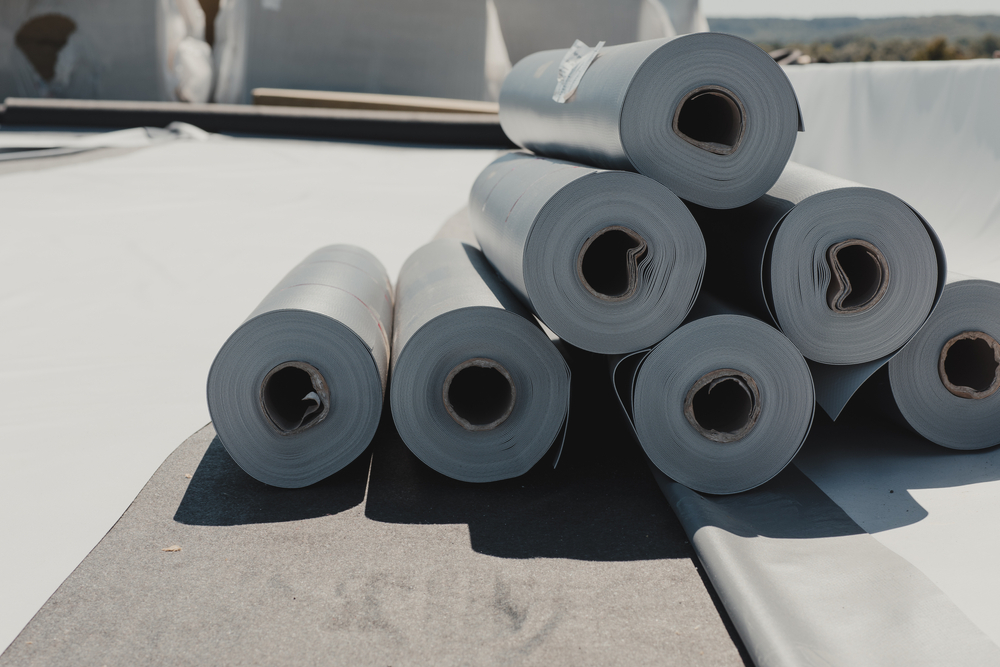
Single ply roofing systems use a single flexible waterproof membrane rather than multiple felt layers.
The membrane is installed across the roof deck and fixed mechanically to the structure. Individual sheets are then joined using hot air welding, creating sealed seams that become part of the waterproof surface.
Modern systems such as Strata Waterproofing are designed to handle temperature movement, structural changes and larger roof areas.
Single ply roofs are commonly used on:
They offer several practical advantages:
These characteristics make single ply systems ideal where large spans or modern insulation systems are involved.
Both systems provide reliable flat roof waterproofing. The difference is mainly how they are constructed and where they perform best.
| Feature | Torch On Felt | Single Ply Membrane |
| Waterproof system | Three bonded bitumen layers | Single flexible membrane |
| Installation | Torch bonded layers | Mechanically fixed and welded |
| Weight | Heavier multi layer system | Lightweight membrane |
| Best suited for | Domestic extensions and garages | Larger roofs and modern builds |
| Seams | Heat bonded overlaps | Hot air welded joints |
Neither system is automatically better. The right solution depends on the structure of the roof and the intended lifespan of the waterproofing system.
At Juniper Roofing Southern we regularly install both torch on felt and single ply roofing systems. Each has its own strengths depending on the roof design, and we don’t like to shut ourselves out from a good solution.
For many domestic flat roofs, a well installed three layer torch on felt system performs extremely well and offers dependable waterproof protection, these also tend to be more cost effective.
For larger roofs or modern commercial projects, single ply systems such as Strata Waterproofing can provide excellent long term performance with strong welded seams, lightweight construction and reliability across wider areas, though at a cost which represents its strength.
Being able to install both systems allows us to recommend the most suitable waterproofing method for each individual roof.
The best flat roof waterproofing system is the one that suits the structure of the building and the way the roof will be used.
When we assess a flat roof project we look at several key factors:
From there we recommend the system that will deliver the most reliable waterproof properties and the strongest long term performance.
Both torch on felt and single ply roof membranes are proven, excellent waterproofing solutions; the difference lies in where each one performs best.
If you enjoyed this, you may also like: Affordable Roofing And The Best Roofers: Get Both in 2026
And, if you want roofing services from local roofers who explain the why, not just the what, learn more about Juniper Roofing Southern and how we work.
Visit our About Us page, or call us on 01323 810 555.
What Is Flat Roof Waterproofing?
Flat roof waterproofing is the protective layer that prevents water entering the roof structure. Systems such as torch on felt and single ply membranes create a sealed surface across flat roofs, stopping rainwater from reaching the deck and insulation beneath.
What Is Torch On Felt Roofing?
Torch on felt is a traditional flat roof waterproofing system made from bitumen roofing membranes. The layers are heated with a gas torch during installation so they bond together, forming a continuous waterproof barrier.
What Is A Single Ply Roof Membrane?
A single ply roof membrane is a flexible waterproof sheet used on flat roofs. The membrane is fixed to the roof deck and the seams are heat welded together, creating a sealed waterproof layer across the roof surface.
Is Torch On Felt Good For Flat Roofs?
Yes. Modern three layer torch on felt systems provide strong waterproof properties and are widely used on domestic flat roofs such as garages, extensions and dormers. When installed correctly, they can deliver reliable long term performance.
Is Single Ply Roofing Better Than Torch On Felt?
Neither system is automatically better. Torch on felt is often ideal for smaller domestic flat roofs, while single ply membranes are commonly used on larger roofs or modern buildings. The best option depends on the roof structure and installation quality.
Do You Need Underlay For Torch On Felt?
Yes. Most torch on felt systems include an underlay layer as part of the roof build up. The underlay sits beneath the mineral cap sheet and helps create a strong multi layer waterproof system that improves durability and protection.
How Long Does Flat Roof Waterproofing Last?
Flat roof waterproofing systems such as torch on felt and single ply membranes can last 20 years or more when installed correctly. Lifespan depends on factors such as roof design, drainage, exposure to weather and ongoing maintenance.
Are Single Ply Roofs Suitable For Houses?
Yes. Single ply roofing systems are increasingly used on residential flat roofs, particularly on new builds or larger extensions. Their lightweight construction and welded seams make them a reliable waterproofing option.
Can Torch On Felt And Single Ply Roofs Be Repaired?
Both systems can usually be repaired if damage occurs. The repair method depends on the type of membrane and the extent of the damage, but experienced roofers can often restore the waterproof layer without replacing the entire roof.How Do Roofers Decide Which Waterproofing System To Use?
Roofers assess the size of the roof, the deck structure, insulation build up, drainage design and expected lifespan. From there they recommend the waterproofing system that will provide the best performance for that specific flat roof.


Registered address: 31 Willingdon Road, Eastbourne, East Sussex BN21 1TN. Company Registration Number: 15706433.
VAT Registration number: 502034161