Need Help?
Have an emergency? We offer emergency call out & repair

Have an emergency? We offer emergency call out & repair
Commercial roofing starts with a roof inspection that tells you the truth about your building, not a guess from ground level. If you manage a warehouse, office, retail unit or multi-tenant block, a professional inspection is one of the most cost effective ways to avoid surprises, reduce disruption and protect budgets.
A commercial roof inspection survey should identify roof condition, pinpoint roof issues and produce clear condition reports you can action. The best approach combines safe access, targeted checks of the roof covering and junctions, and a practical plan that prioritises roof repairs now while forecasting roof replacement later, if needed.
Commercial roofs rarely fail in a dramatic way. They degrade quietly through weather exposure, foot traffic, ageing seals and minor movement. That is why “it looks fine” is not a reliable assessment of roof structure or structural integrity.
A proper roof inspection helps you:
If you’re responsible for compliance and continuity, that peace of mind is the real return.
A roof inspection survey should be detailed roofing, not a quick walk and a one-line quote. You want clear findings, photos and an explanation of why each defect matters.
Typical inspection points include:
You should also receive a roof inspection report that prioritises actions by urgency and risk.
Most commercial leaks start at transitions, not in the middle of a field area. A roofing contractor should focus on junctions where different roofing materials meet, where the roof covering turns up a parapet and where water is forced to change direction.
That includes:
These locations are where small defects become major ingress during wind-driven rain.
A drone roof survey is useful for rapid visibility across large footprints, fragile roofs or restricted access. It helps document roof condition and identify obvious defects fast. It does not replace hands-on checks for subtle membrane splits, failed laps, degraded sealant or damp insulation indicators.
| Approach | Best For | Strength | Limitation |
| Drone Roof Survey | Large sites, access constraints | Fast overview, strong visuals for reporting | Limited detail at seams and terminations |
| Targeted Walkover | Most commercial roofs with safe access | Finds fine defects and workmanship issues | Needs safe access planning |
| Internal Checks | Top-floor ceilings, plant rooms | Confirms water routes and heat loss clues | Not always possible in occupied spaces |
| Combined Survey | Complex roofs and recurring leaks | Most accurate diagnosis | Slightly more time on site |
For many sites, a combined approach is the most cost effective option because it reduces misdiagnosis.
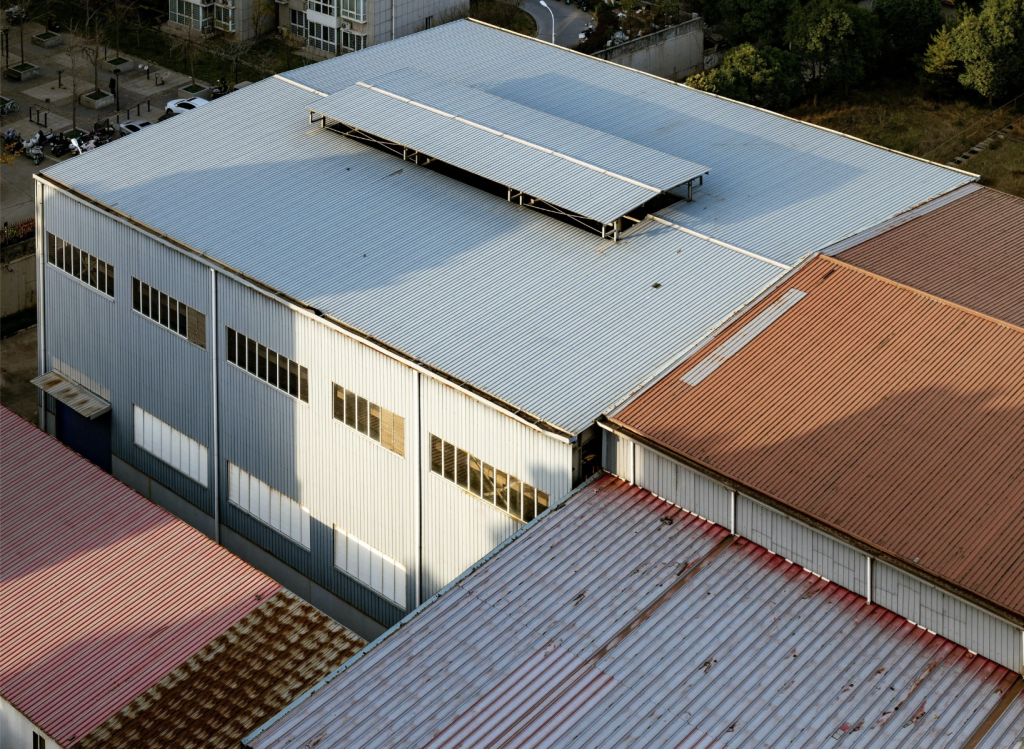
The goal is not “a report”. The goal is a plan you can budget and schedule.
Use this simple sequence:
Address active leaks or high-risk openings quickly to prevent escalation.
Carry out targeted roof repairs to laps, outlets, penetrations and edges.
Improve drainage, protect vulnerable details and schedule follow-up checks.
If sections are near end-of-life, plan staged roof replacement rather than rolling emergencies.
This approach keeps spend predictable and reduces downtime.
A good roofing contractor should be candid when repairs are no longer sensible. If condition reports show widespread failure, brittle surfaces, multiple leak routes or repeated historic patching, the cheapest long-term choice may be replacement.
Common indicators include:
The key is evidence. A roof inspection report should show photos and locations, then set out repair vs replacement options clearly.
Commercial clients need speed, clarity and workmanship that holds up. Juniper Roofing Southern provides roof repair and maintenance support for homes and businesses, including help with storm damage and ongoing upkeep.
Their wider service range includes repairs, replacements and related roof elements like leadwork, chimneys and roofline works, which matters because commercial roof issues often involve more than one trade detail.
If you need an independent roof survey for acquisition, lease decisions or lifecycle planning, you want a team that can document what they see, explain it plainly and deliver the remedial work to the same standard.
If you’re responsible for commercial roofing and want a roof inspection that leads to a practical, prioritised plan, speak to Juniper Roofing Southern.
Visit our Repairs and Maintenance page or call 01323 810 555.
If this was useful, you might also like: Commercial Roof Replacement: Your Trusted Commercial Roofing Contractor.
A commercial roof inspection typically checks the roof covering, seams and laps, drainage outlets, edge details, penetrations, fixings and visible signs of deterioration. A good inspection also records roof condition with photos and highlights priority roof issues.
Most commercial roofing should be inspected at least twice a year, plus after major storms. Higher foot traffic roofs and older roofing systems may need more frequent checks to protect structural integrity.
Costs vary by roof size, access, height and complexity. A roofing contractor can only price accurately after a site visit, especially where a flat roof, multiple levels, or fragile roof areas are involved.
A roof inspection survey is a structured assessment that produces condition reports and clear recommendations. It goes beyond a quick look by mapping defects, identifying likely leak routes and outlining next steps.
A drone roof survey is excellent for fast coverage and visuals, but it cannot confirm subtle membrane splits, failed seals, or weak laps. Many sites benefit most from a drone survey combined with targeted hands-on checks.
A roof inspection report should include dated photos, defect locations, a roof condition summary, recommended roof repairs, and staged options if roof replacement is becoming necessary. It should also highlight risks like water damage and heat loss.
Yes. Regular roof inspection identifies small defects early, so repairs are simpler and more cost effective. Planned maintenance also reduces emergency call-outs and helps you budget for future works.
Common roof issues include ponding on flat roofs, blocked outlets, failing seams, degraded flashing, cracks at penetrations and wear around high-traffic routes. These faults often cause water to track before it shows internally.
If defects are widespread, repairs keep failing, insulation is repeatedly wet, or the roofing system is near end of life, replacement may be more economical long term. The key is evidence from condition reports and the roof inspection survey findings.
An independent roof survey is a sensible step for purchases, lease negotiations, or major refurb plans. It gives you an objective view of roof condition, likely repair costs and any risks to roof structure.
Updated January 2026


Registered address: 31 Willingdon Road, Eastbourne, East Sussex BN21 1TN. Company Registration Number: 15706433.
VAT Registration number: 502034161